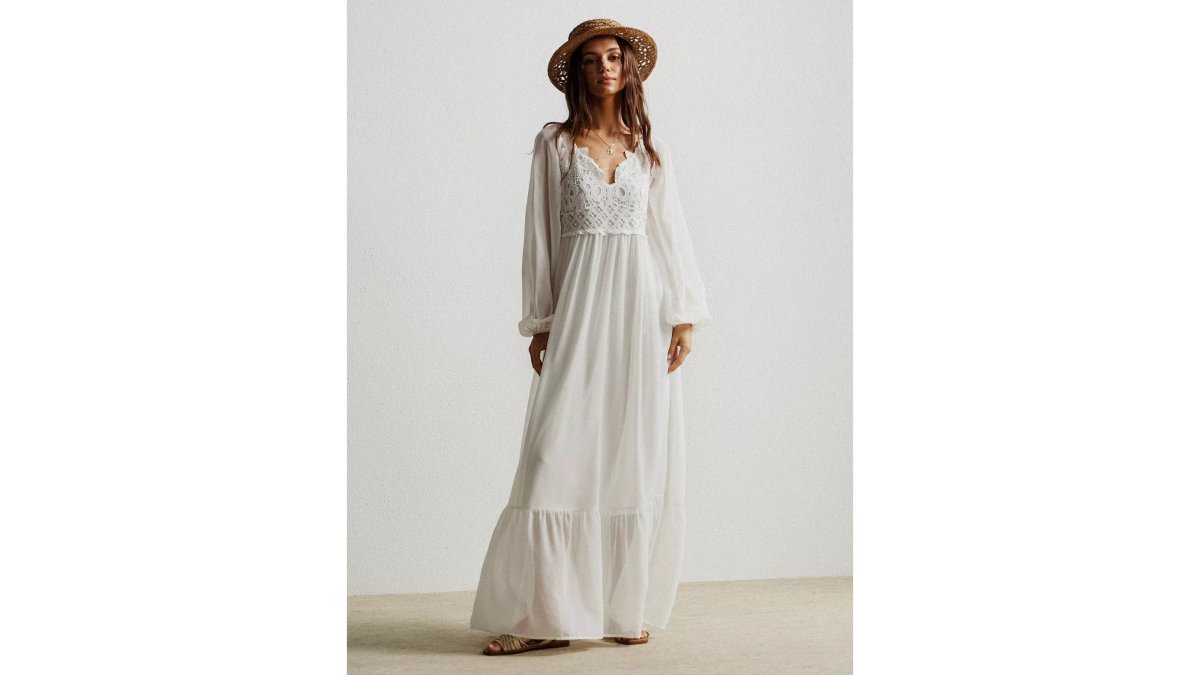
 ultimate-guide
Boho Wedding Dress Fabric Durability: A 2026 Guide
Table of Contents
- Why Boho Wedding Dress Fabric Durability Matters for Beach Ceremonies
- The Most Durable Fabrics for Boho Wedding Dresses
- Best Fabric for Beach Wedding Dress: Choosing by Venue and Climate
- How to Clean Boho Lace Wedding Dress and Preserve Delicate Fabrics
- Fabric Aging, Preservation, and Long-Term Care for Boho Gowns
- Durability Testing for Outdoor and Destination Weddings
- Frequently Asked Questions
Last Updated: September 21, 2026
Why Boho Wedding Dress Fabric Durability Matters for Beach Ceremonies
When you're planning a beach wedding, your dress faces challenges most traditional gowns never encounter. Sand, saltwater, humidity, and intense UV exposure test every fiber. At Beach Bride & Groom, we understand that boho wedding dress fabric durability isn't just about aesthetics; our pieces are crafted to capture the natural beauty of sunlit vows and barefoot moments.
Fabric selection and understanding how materials perform in coastal environments determine durability. Delicate chiffon can shred in ocean breezes, lace snags on driftwood, and even structured fabrics like mikado lose integrity under salt spray and sand abrasion.
This guide breaks down durability characteristics of popular materials, shows how to choose fabrics for your venue and climate, and provides preservation strategies to keep your dress beautiful long after your wedding.
The Most Durable Fabrics for Boho Wedding Dresses
The most durable boho fabrics combine structural integrity with breathability to withstand physical stress while allowing airflow in warm, humid conditions.

Lace: Types and Durability Considerations
Machine-made lace offers superior tensile strength and snag resistance compared to hand-crafted alternatives, making it the practical choice for beach ceremonies with sand and rough surfaces.
Chantilly lace provides good drape but its loose weave allows threads to catch and pull. Alençon lace, with denser construction and corded edges, resists snagging more effectively. For beach weddings, choose lace with reinforced edges and tight weaves.
Nylon or polyester lace holds up better to moisture and UV exposure than silk lace. In coastal environments, synthetic laces often outlast silk. Cotton-polyester blends offer natural fiber comfort with synthetic durability.
Beading and sequin attachment points test durability most. Hand-sewn beads loosen with movement and humidity; machine-attached embellishments hold better. Plan professional inspection for extensively beaded dresses.
Tulle and Chiffon: Ethereal vs. Delicate Performance
Tulle and chiffon define the boho aesthetic, they create that weightless, romantic silhouette. But their delicate nature means understanding their real-world performance is critical.
Tulle's structured nylon or polyester weave resists tears better than chiffon and absorbs less moisture, making it ideal for humid beaches. Multiple layers provide redundancy if one snags. Downside: tulle can mat and crush with heavy use, and sand embeds in the weave.
Chiffon's loose weave makes it vulnerable to snagging and tearing from shells, rocks, or jewelry. It absorbs moisture readily and takes longer to dry, risking mildew. Use chiffon as an overlay over durable fabrics rather than as the primary structural layer.
Tulle-heavy designs with chiffon overlays provide ethereal aesthetics without sacrificing durability. Layered tulle skirts with sheer chiffon overlays protect where it matters most.
Satin and Mikado: Structure and Support
Satin and mikado offer superior durability and wrinkle resistance, maintaining shape and handling moisture better in beach environments.
Mikado's tight weave and weight create excellent structural integrity and resist wrinkles and water stains. Though formal-looking, it works well as a fitted bodice or structured skirt base under flowing overlays.
Satin's smooth surface resists snagging better than matte fabrics. Its tightly woven construction provides durability, though seams need reinforcement. Use satin as a lining or base layer under tulle or chiffon for light-catching photos and proper drape.
Neither satin nor mikado is typically used as the primary visible fabric in boho designs, they're too formal and structured. But as structural layers, linings, or fitted bodices under ethereal skirts, they provide essential durability support. A boho dress with a mikado bodice and tulle skirt combines the best of both worlds: romantic aesthetics with real-world durability.
Best Fabric for Beach Wedding Dress: Choosing by Venue and Climate
Your specific venue and climate conditions should drive your fabric selection. A dress perfect for a tropical beach might fail at a desert ceremony, and vice versa.
For tropical and humid beach settings, prioritize breathability and moisture resistance. Tulle-based skirts with lightweight overlays outperform heavy satin or structured fabrics that trap heat and moisture. Synthetic fibers (polyester, nylon) handle humidity better than natural fibers. Avoid heavily beaded designs, the extra weight combined with humidity can cause seams to stress and fail. Choose lace with tight weaves over open constructions that trap sand and salt spray.
Desert and arid beach environments present different challenges. Wind is your primary enemy, it creates stress on seams and can catch loose fabric. Lightweight, flowing chiffon that moves with the wind actually performs better than structured fabrics that catch and strain. However, UV exposure is intense, so fiber content matters more. Polyester and nylon resist fading better than silk or cotton. Avoid white or very light fabrics if possible, they yellow faster under intense sun. If your dress is white, plan for professional UV-protective preservation after the wedding.
For rocky or rugged beach locations, durability against physical contact matters most. Tulle's structural weave resists tears better than chiffon. Lace with reinforced edges and tight weaves won't snag as easily. Avoid long trains or flowing hemlines that drag across rocks and shells. A boho dress with a knee-length or midi hemline works better than floor-length for rugged terrain. Pair structured fabrics (mikado, satin) with ethereal overlays to maintain aesthetics while improving durability.
Temperature fluctuations, common in coastal areas with ocean breezes, can stress fabric fibers and seams. Fabrics with some weight and structure handle temperature changes better than ultra-lightweight options. A dress with layered construction (structured base, ethereal overlay) adapts better to temperature swings than a single-layer design.
How to Clean Boho Lace Wedding Dress and Preserve Delicate Fabrics
What you do immediately after your wedding sets the stage for long-term preservation. The first 48 hours are critical.
Start by addressing visible debris while the dress is still dry. Use a soft brush or lint roller to gently remove sand, salt residue, and any particles caught in lace or tulle. Work carefully, rushing this step can push particles deeper into the weave. Pay special attention to hem areas and seams where debris accumulates.
For salt water exposure, rinse the dress gently in cool distilled water. This removes salt deposits that can damage fibers over time. Use a spray bottle or handheld showerhead on low pressure rather than submerging the dress. Work section by section, supporting the dress to prevent stress on seams. Never wring or squeeze the fabric.
For actual stains (sand, food, makeup), spot-clean with a mild soap solution designed for delicate fabrics. Apply the solution with a soft cloth, gently working it into the stain. Rinse thoroughly with distilled water. For stubborn stains, consult a professional cleaner experienced with bridal wear before attempting further cleaning, aggressive treatment can set stains permanently.
Allow the dress to air dry completely in a cool, dark location away from direct sunlight. Humidity and temperature fluctuations during drying can stress fibers, so choose a stable environment. Never use heat sources like hair dryers or radiators. Drying typically takes 24-48 hours depending on fabric weight and humidity levels.
Once dry, the dress needs proper storage. Acid-free tissue paper prevents yellowing and deterioration. Fold the dress carefully, placing tissue between folds to prevent creasing. Store in a breathable garment bag (not plastic, which traps moisture and causes mildew). Keep the dress in a cool, dark closet away from direct light, heat sources, and humidity extremes.
Fabric Aging, Preservation, and Long-Term Care for Boho Gowns
Boho dresses age differently than traditional formal gowns. The ethereal fabrics that define the aesthetic are more prone to degradation over time, but proper care can slow this process dramatically.
Lace yellows naturally over time due to fiber oxidation and light exposure. This aging process accelerates with UV exposure, humidity, and improper storage. Delicate lace can become brittle as fibers weaken. The beading and embellishments on lace can loosen as threads weaken. To slow yellowing, keep the dress in darkness and maintain stable humidity levels (around 50% relative humidity is ideal). Avoid storing near heating vents, windows, or damp basements.
Tulle can become matted and lose its crisp texture with age and storage pressure. The netting can develop a crushed appearance if stored improperly. To preserve tulle's appearance, store it with minimal folding. Use acid-free tissue to support layers and prevent compression. Some collectors use tulle bags or garment boxes designed to support volume rather than compressing it.
Chiffon becomes increasingly fragile as fibers age. The delicate weave that creates beautiful movement also means the fabric has less structural reserve.
Durability Testing for Outdoor and Destination Weddings
If you're planning an adventurous boho wedding, hiking to a remote beach, destination travel, or multi-day celebrations, durability testing before your wedding day is worth the effort.
Frequently Asked Questions
What are the most durable fabrics for a boho-style wedding dress?
Lace, mikado, and satin offer the strongest durability for boho wedding dresses. Mikado provides structural integrity and wrinkle resistance, while quality lace with tight weaves resists snagging. Chiffon and tulle are ethereal and beautiful but require careful handling. For beach weddings, layered lace over satin or mikado foundations performs best because the base fabric protects delicate overlays from sand and saltwater exposure.
How do I clean a boho lace wedding dress after a beach wedding?
Rinse immediately with fresh water to remove salt and sand before they set into fibers. For delicate boho lace wedding dresses, hand wash in cool water with mild detergent, gently squeezing (never wringing). Air dry flat on a clean towel away from direct sunlight. For stubborn stains or beading and sequin attachments, consult a professional cleaner experienced with delicate textiles. Avoid machines and harsh chemicals that compromise seam strength.
Does lace hold up well for outdoor or beach weddings?
Yes, but only certain lace types. Tightly woven lace with high tensile strength resists snagging from sand and rough surfaces. Delicate, open-weave lace is prone to tears and snags in outdoor settings. For beach ceremonies, choose lace layered over supportive fabrics like mikado or satin rather than lace alone. Quality matters enormously, boutique lace with reinforced edges and proper seam strength outperforms lightweight, decorative lace in durability.
What should I look for in a high-quality boho wedding dress fabric?
Prioritize fiber content (natural fibers like silk and cotton age better than synthetics), fabric weight (heavier fabrics resist wrinkles and wear), and construction details like seam strength and reinforced hems. Check for snag resistance and breathability if your climate is humid. Examine how beading and sequin attachments are secured, quality stitching prevents detachment. Feel the drape and sheen; premium fabrics have smooth finishes that resist pilling and maintain their ethereal aesthetic after wear.