 how-to
Breathable Fabrics for Tropical Weddings
Table of Contents
- Why Breathable Fabrics Matter for Tropical Weddings
- Top Breathable Fabrics for Hot Weather Weddings
- Best Wedding Dress Fabrics for Humidity
- Lightweight Wedding Suit Fabrics for Men
- Tropical Wedding Guest Attire Guide
- Managing Sweat and Sand Resistance
- Care and Preservation for Tropical Wedding Fabrics
- Frequently Asked Questions
Last Updated: September 20, 2026
Why Breathable Fabrics Matter for Tropical Weddings
Your wedding day is stressful enough without battling sweat, humidity, and discomfort. When you're standing on a beach or in a tropical setting, the wrong fabric choice can turn your dream ceremony into an endurance test. Breathable fabrics for tropical weddings aren't just about looking good, they're about feeling confident enough to focus on the moment instead of your damp collar.
Heat and moisture create a compound problem. Fabrics that trap air and sweat against your skin don't just feel uncomfortable. They cling, wrinkle, and can damage delicate wedding attire before the reception even starts. The good news is that selecting the right breathable fabrics for tropical weddings solves this entirely.
This guide covers the fabrics that work, the construction details that matter, and the practical strategies that keep you comfortable from ceremony through celebration.
Top Breathable Fabrics for Hot Weather Weddings
The best breathable fabrics for hot weather weddings share three qualities: they allow air to flow freely, they move moisture away from your skin, and they maintain their shape despite heat and humidity.
Linen: Natural Airflow and Lightweight Comfort
Linen is the gold standard for tropical climates. This natural fiber has a loose weave that creates channels for air circulation. Linen breathes better than almost any other fabric because of how it's constructed at the fiber level.
Pros:
- Unmatched airflow and cooling properties
- Lightweight and creates natural drape
- Absorbs moisture without feeling wet
- Becomes softer with each wear
Cons:
- Wrinkles easily and visibly
- Requires pressing before the ceremony
- Can look casual if not styled properly
- Linen blends work better for formal wear than 100% linen
For grooms and groomsmen, linen suits maintain structure while staying cool. Linen-cotton blends offer the best compromise between breathability and formality. Many couples choose linen for the bride's dress because the fabric's natural movement creates romantic, flowing silhouettes that photograph beautifully in natural light.
Cotton and Cotton Blends: Moisture-Wicking Essentials
Cotton is reliable and familiar. It absorbs moisture quickly and feels soft against skin. Cotton blends, particularly cotton mixed with linen or silk, provide the moisture-wicking benefits of cotton with improved structure and wrinkle resistance.
Pros:
- Excellent moisture absorption
- Soft and comfortable for all-day wear
- Affordable and widely available
- Blends improve durability and wrinkle resistance
Cons:
- Pure cotton wrinkles noticeably
- Can feel heavy in extreme heat
- Takes longer to dry than some alternatives
- May require frequent pressing
Cotton-linen blends are particularly popular for tropical wedding guest attire. They offer the breathability of linen with the familiarity and ease of cotton. Look for fabrics with at least 50% natural fiber content to ensure adequate breathability.
Silk and Silk Blends: Drape with Thermal Comfort
Silk is luxurious and surprisingly practical for tropical weddings. Pure silk has excellent thermal regulation, it keeps you cool in heat and warm in cool weather. Silk also has a natural sheen that photographs beautifully in bright sunlight.
Pros:
- Excellent thermal regulation properties
- Creates elegant drape and movement
- Naturally hypoallergenic
- Lightweight and breathable
Cons:
- Expensive compared to other natural fibers
- Requires delicate care and professional cleaning
- Can slip and move during the ceremony
- Wrinkles if not properly stored
Silk blends, silk combined with cotton or linen, offer the elegance of pure silk with better practicality. A silk-cotton blend maintains the drape and thermal benefits while being easier to care for and more durable for all-day wear.
Chiffon and Crepe: Sheer Elegance for Humidity
Chiffon and crepe are lightweight, sheer fabrics that move beautifully in tropical breezes. These fabrics have an open weave that allows air to pass through freely. They're popular for bridal gowns and bridesmaid dresses because they create romantic, flowing silhouettes.
Pros:
- Extremely lightweight and breathable
- Creates beautiful movement and flow
- Drapes elegantly without clinging
- Ideal for layered designs
Cons:
- Requires careful handling and professional cleaning
- Can be sheer enough to require lining
- More delicate than structured fabrics
- May need undergarments for modesty
Chiffon works particularly well for beach ceremonies where movement and flow are part of the aesthetic. The fabric catches ocean breezes and creates that effortless, romantic look many tropical brides envision. Crepe offers slightly more structure while maintaining the same breathability.
Tropical Wool: Structural Integrity Without the Heat
Tropical wool is a specialized fabric designed specifically for warm climates. It's woven from merino or other fine wool fibers in an open weave that prevents the heaviness associated with traditional wool.
Pros:
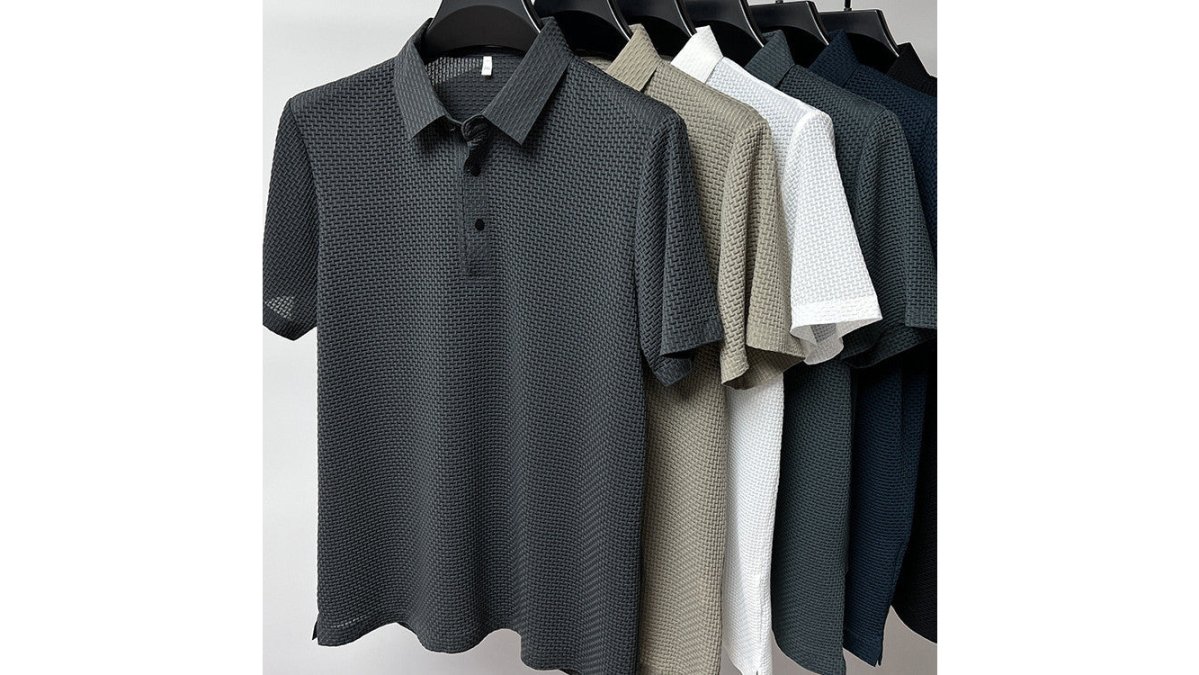
Mesh Ice Silk Short Sleeve T-shirt Mens →
- Maintains structure and formality
- Breathable despite being wool
- Naturally wrinkle-resistant
- Professional appearance in formal settings
Cons:
- More expensive than cotton or linen
- Less common in bridal wear
- Requires specialized cleaning
- Not as breathable as pure linen or cotton
Tropical wool is ideal for grooms who want a traditional suit look without the heat penalty. The fabric's open weave and fine fibers allow adequate airflow while maintaining the tailored appearance expected in formal wedding attire.

Best Wedding Dress Fabrics for Humidity
The best wedding dress fabrics for humidity combine breathability with the structure and elegance expected in bridal wear. This section addresses two critical construction elements that most guides overlook.
Undergarment and Lining Solutions
What goes under the dress matters as much as the dress itself. In humid tropical climates, the wrong undergarments trap moisture and heat against your skin. Moisture-wicking undergarments designed for active wear pull sweat away from your body and help it evaporate.
Choose undergarments made from technical fabrics like nylon blends or merino wool. Avoid cotton underwear in tropical settings, cotton absorbs moisture and holds it against your skin. Look for seamless styles that won't create visible lines under your dress.
Dress linings also affect breathability. A full silk or synthetic lining traps heat. Consider a partial lining that covers only the bodice and upper dress, leaving the skirt unlined. This approach maintains modesty while allowing air circulation through the lower layers. Some brides choose mesh linings instead of solid fabric, which provides coverage while allowing air to flow through.
The lining choice directly impacts how comfortable you'll feel during your ceremony. A breathable lining strategy can reduce perceived temperature by several degrees.
Fabric Weight and Weave Density
Fabric weight, measured in grams per square meter (GSM), determines how much the fabric will cling to your body. Lighter fabrics (under 150 GSM) move away from your skin. Heavier fabrics (over 200 GSM) cling and trap heat.
For tropical wedding dresses, target fabrics between 80-150 GSM. Chiffon typically weighs 75-100 GSM, making it ideal for humidity. Linen ranges from 130-200 GSM depending on the weave. Cotton sateen (a smooth, lustrous cotton) typically weighs 150-180 GSM, which works well if paired with a breathable lining.
Weave density affects both breathability and appearance. A loose weave creates better airflow but may appear less formal. A tight weave maintains structure but reduces breathability. The best compromise for tropical weddings is a medium-density weave that balances elegance with function.
Ask your dressmaker or seamstress about GSM specifications when choosing fabrics.
Lightweight Wedding Suit Fabrics for Men
Grooms and groomsmen in tropical climates need suits that look formal while feeling comfortable. The challenge is maintaining the tailored appearance of a suit while ensuring adequate breathability.
Lightweight tropical wool and wool-linen blends are the standard choice for warm-weather suits. These fabrics maintain structure and formality while allowing air circulation. A suit in tropical wool weighs significantly less than a traditional wool suit, often half the weight, but maintains the same professional appearance.
For less formal beach weddings, linen suits offer maximum breathability. Linen-cotton blends provide a middle ground between casual and formal.
Tropical Wedding Guest Attire Guide
Wedding guests in tropical climates face the same heat challenges as the wedding party. Light, breathable fabrics keep guests comfortable and looking polished throughout the celebration.
Managing Sweat and Sand Resistance
Tropical weddings introduce two unique challenges: managing perspiration and protecting fabrics from sand and salt.
Care and Preservation for Tropical Wedding Fabrics
Your wedding attire deserves proper care to preserve it for years. Tropical fabrics require specific handling.
Frequently Asked Questions
What is the most breathable fabric for a hot weather wedding?
Linen ranks highest for breathability due to its loose weave and natural airflow properties. Cotton and cotton-linen blends follow closely, offering moisture-wicking that pulls sweat away from skin. Chiffon and crepe provide sheer, lightweight alternatives that minimize heat retention. For formal wear, tropical wool, a specially constructed lightweight wool, maintains structural integrity without trapping heat. The best choice depends on your dress code and personal comfort preferences in humidity.
How do I stay cool in a wedding dress in a tropical climate?
Choose breathable fabrics with natural fibers like linen, cotton, or silk blends that allow airflow and evaporative cooling. Opt for lighter fabric weights (lower GSM) and looser weaves. Select undergarments made from moisture-wicking materials to manage sweat. Sleeveless or short-sleeve designs reduce heat retention. Consider a sheer overlay rather than heavy layering. Ensure proper lining that breathes, avoid plastic-backed or heavily structured linings that trap moisture against your skin.
What should guests wear to a tropical destination wedding?
Guests should prioritize lightweight, natural-fiber fabrics in loose-fitting silhouettes. Linen suits, cotton dresses, and lightweight chiffon are ideal. Men can wear ice silk mesh shirts paired with linen shorts or breathable cotton-linen trousers for formal settings. Women benefit from sleeveless or short-sleeve dresses in breathable materials. Avoid heavy synthetics and dark colors that absorb heat. Sand-resistant fabrics with wrinkle resistance add practicality. Neutral tones and light colors reflect heat while maintaining an elegant aesthetic appropriate for the occasion.
How do I choose wedding attire that won't wrinkle in humidity?
Look for fabric blends that combine natural fibers with small percentages of polyester or elastane for wrinkle resistance. Linen-cotton blends and cotton-polyester combinations resist creasing better than 100% linen. Tightly woven fabrics hold their shape better than loose weaves. Heavier fabric weights (higher GSM) resist wrinkling more effectively than sheer materials. Avoid fabrics prone to moisture absorption that causes visible creasing. Choose structured styles over heavily draped designs, and consider professional steaming before the ceremony to refresh the garment.